Italian Wine Producers Push for New Category as Demand Grows for Naturally Low-Alcohol Wines
Industry leaders urge regulatory changes to distinguish naturally low-alcohol wines from dealcoholized products and meet shifting consumer preferences
2026-04-13
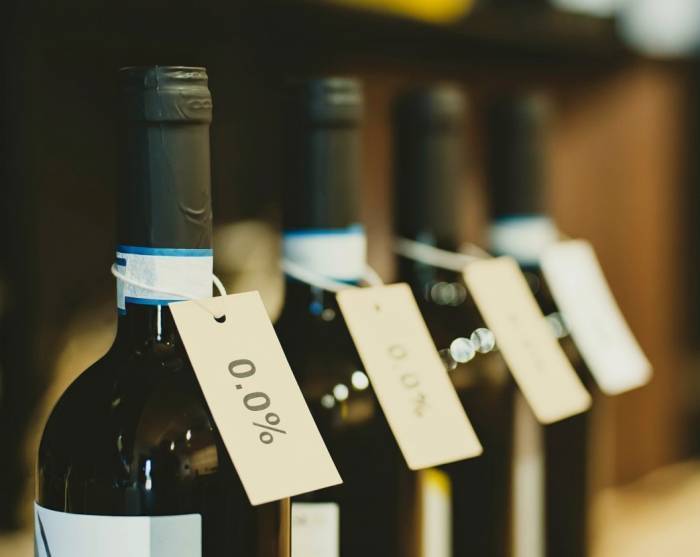
Italian wine producers are facing a new challenge as consumer preferences shift toward lower alcohol content and healthier drinking habits. According to Luca Rigotti, president of the Wine Sector at Confcooperative, it is now possible to naturally reduce the alcohol level in wine starting from vineyard management. By using specific agronomic techniques and selecting the right grape clones, growers can delay grape ripening, which lowers sugar content without compromising aromatic maturity. This process allows for wines with total alcohol content below 9%, while maintaining balance and harmony in taste.
Rigotti explained these developments during Vinitaly, one of Italy’s most important wine fairs. He emphasized that Confcooperative, which represents 266 cooperative wineries and consortia, 100,000 member winegrowers, and has an aggregate turnover of €5.2 billion, has proposed a new classification for naturally low-alcohol wines within the “Wine Package” regulatory framework. The goal is to clearly distinguish these wines from dealcoholized wines and non-alcoholic beverages made from dealcoholized wine. Rigotti argued that without a distinct definition, there is a risk of confusion in the market, which could undermine the efforts of producers who want to offer products different from dealcoholized wines. He stated that these naturally low-alcohol wines deserve their own category and labeling.
The demand for sustainable wine production is also growing, especially among Millennials and Generation Z consumers. These groups are increasingly interested in wines made from disease-resistant grape varieties, known as Piwi. These varieties require fewer fungicide treatments, reducing environmental impact. However, Italy remains the only country in Europe that does not allow the use of resistant grape varieties for producing PDO (Protected Designation of Origin) wines. In contrast, prestigious French regions such as Champagne and Bordeaux have already adopted these varieties.
Rigotti pointed out that Italian law currently prohibits the use of resistant grape varieties for PDO wines under Article 33, paragraph 6 of the Unified Wine Law. He called for regulatory changes to allow Italian producers to use these grapes in PDO wines as well. The push for change comes as European wine markets adapt to evolving consumer expectations around health and sustainability. Producers hope that updated regulations will help Italian wine remain competitive while meeting new demands for lower alcohol content and environmentally friendly practices.

Founded in 2007, Vinetur® is a registered trademark of VGSC S.L. with a long history in the wine industry.
VGSC, S.L. with VAT number B70255591 is a spanish company legally registered in the Commercial Register of the city of Santiago de Compostela, with registration number: Bulletin 181, Reference 356049 in Volume 13, Page 107, Section 6, Sheet 45028, Entry 2.
Email: [email protected]
Headquarters and offices located in Vilagarcia de Arousa, Spain.