


WTO Says U.S. Notified Members of 10% Import Surcharge
The measure could raise costs for wine and other beverages sold in the American market
2026-05-12
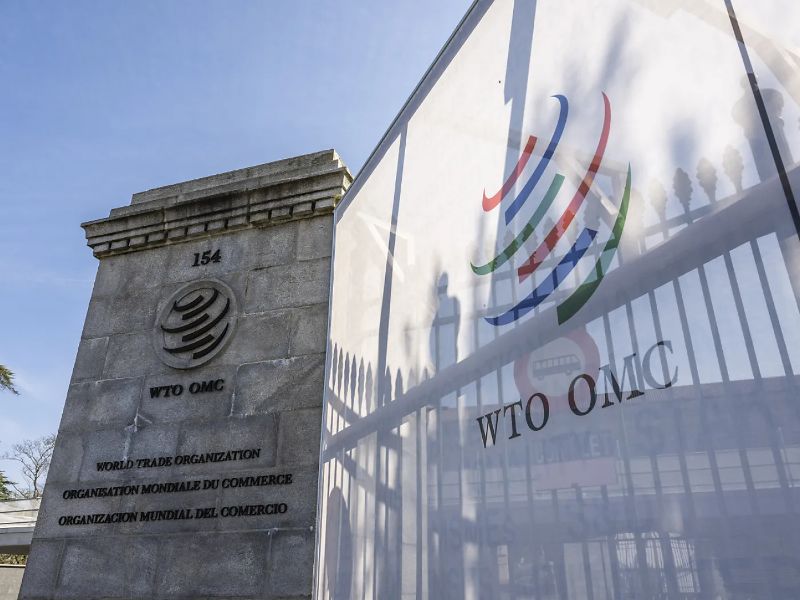
The World Trade Organization said on Tuesday that the United States has notified members of a 10% import surcharge on goods from all trading partners, a move Washington says is meant to address serious balance-of-payments deficits and that could add pressure to imported wine and other beverages sold in the U.S. market.
At a meeting of the WTO Committee on Balance-of-Payments Restrictions in Geneva on May 5, members discussed the U.S. measure, which the United States said took effect on Feb. 24 and is set to expire on July 24 unless Congress extends it. The surcharge applies to imports of all goods, subject to certain product exceptions, and comes on top of bound duty rates the United States agreed to in its WTO schedule of concessions.
The United States told the committee that it was ready to enter consultations under WTO rules and asked that they take place next month. WTO members welcomed the notification and Washington’s willingness to consult, while also raising concerns about whether the measure is necessary and about its effect on global trade.
For wine importers, distributors and retailers in the United States, the surcharge could raise landed costs across a broad range of products, including bottles from Europe, South America and other major exporting regions. That could squeeze margins, force price increases or prompt buyers to adjust sourcing and inventory plans if the measure remains in place.
The WTO said members noted that balance-of-payments restrictions are allowed under the General Agreement on Tariffs and Trade 1994 in limited circumstances, but they also pointed to the role of the International Monetary Fund in reviewing such cases. Under WTO rules, consultations should take place within four months of adoption of the measure.
The United States notified the balance-of-payments measure to the WTO on March 20. The committee said it would continue discussions with members as part of the consultation process.
