The United States will block imports of 68 Canadian tariff lines on Sept. 29.
Most affected lines cover alcoholic beverages, though some bulk shipments can still enter under a 50% Section 338 duty.
Friday, September 25, 2026
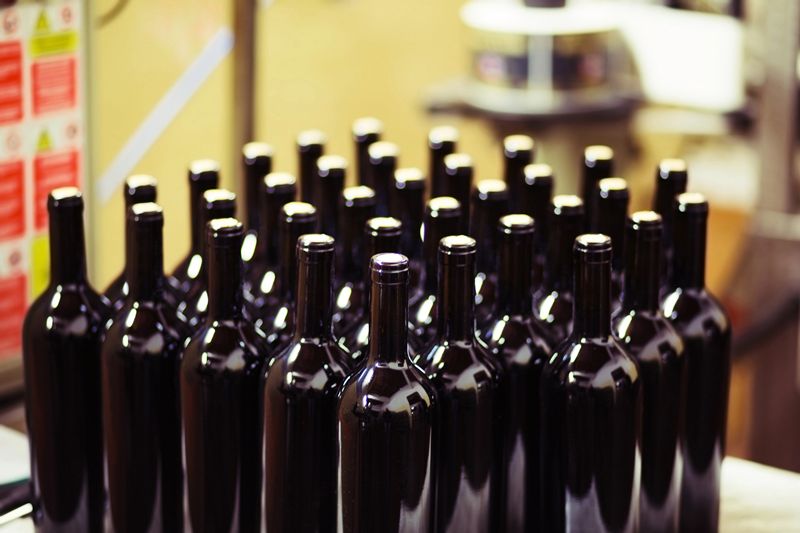
The United States is set to begin blocking the import of 68 tariff lines of Canadian goods at 12:01 a.m. Eastern Time on September 29, while also broadening a separate tariff on patented pharmaceuticals on the same minute under a different legal timetable, according to federal proclamations cited by Gateway Lines and published in the Federal Register.
The two actions start at the same time, but they do not measure shipments in the same way. For the Canadian restrictions, the key moment is when goods are imported into the United States. For patented drugs, the key moment is when the goods are formally entered. That distinction matters for cargo already moving by truck, rail or vessel because one shipment may still clear under an existing duty while another may be blocked or face a higher tariff, depending on the timing.
The Canadian measure is an import ban, not a tariff increase. Gateway Lines said the ban stems from Proclamations 11061, 11062 and 11063, which were signed on September 8 and published on September 14. Beginning at 12:01 a.m. Eastern on September 29, the listed Canadian products are to be excluded from importation into the United States. Importers cannot pay an added rate to bring those covered goods in once the cutoff has passed.
The 68 tariff lines include 53 lines tied to alcoholic beverages, covering beer, wine, cider, other fermented drinks and spirits. Of those, 25 lines are fully banned. The other 28 are banned only when the products are packaged for direct consumption in bottles, cans, boxes, kegs or similar containers. Under the same 28 lines, bulk shipments can still enter, but they remain subject to a 50% duty under Section 338. The remaining banned lines cover 14 products involving whey, molasses and nonalcoholic beer, plus one tariff line for motorcycles with engines above 800 cubic centimeters.
That structure is especially important for the beverage trade because the rules do not fall evenly across all product formats. For Canadian wine and other alcohol shipments, whether the product is bottled and ready for retail sale or arrives in bulk can change whether it is refused at the border or allowed in with a 50% duty. That could force importers, distributors and producers to revisit packaging decisions, logistics plans and customs classifications for shipments already arranged for the U.S. market.
The action also includes a transition rule. Goods covered by the Canadian ban that are imported before the September 29 cutoff, but have not yet been entered for consumption or withdrawn from warehouse for consumption, can still be processed afterward under the existing 50% Section 338 duty instead of being rejected. Goods imported at or after the cutoff are to be excluded. Gateway Lines said all other products on the broader Section 338 lists that are not part of the new ban will continue to face the 50% duty. It also said that if any part of the ban is later invalidated, those products would revert to the 50% duty structure.
As of September 23, Gateway Lines said U.S. Customs and Border Protection had published guidance on the Section 338 duties and on changes made to the product lists on September 15, but had not yet issued implementation guidance specific to the new Canadian import bans. That leaves importers and customs brokers waiting for more precise direction on how the agency will apply the cutoff to shipments in transit.
The pharmaceutical change taking effect on the same date is separate and works differently. According to Gateway Lines, Proclamation 11020, signed on April 2 and published in the Federal Register, created a 100% tariff on patented pharmaceutical articles under tariff heading 9903.04.60. Since July 31, that tariff has applied to companies identified in Annex III of the proclamation. A temporary carve-out for other importers expires at 12:01 a.m. Eastern on September 29, meaning the tariff regime will then extend to all importers of patented pharmaceuticals, subject to the specific tariff headings that apply to each product.
Gateway Lines said patented pharmaceutical articles under heading 9903.04.60 face a 100% rate. It said products from Japan, European Union member countries, South Korea, Switzerland and Liechtenstein fall under heading 9903.04.62 at a total rate of 15%. Products from the United Kingdom are listed under 9903.04.63 at +0%, while importers with a qualifying onshoring plan fall under 9903.04.64 at +20%. Products tied to an onshoring plan plus a Most-Favored-Nation pricing agreement are listed under 9903.04.65 at +0%. Certain specified uses, including orphan drugs, nuclear medicine and plasma products, are listed under 9903.04.66 at +0%. Generics and biosimilars under 9903.04.67 carry no additional duty, and drugs whose active ingredient is a product of the United States and that are packaged in dosage form under 9903.04.68 also carry no additional duty.
For pharmaceutical imports, the date of arrival does not control the outcome. Gateway Lines said the deciding factor is the date of entry. That means a patented drug shipment that arrives before 12:01 a.m. Eastern on September 29 does not automatically avoid the broader tariff. If it is entered before that time, it can still use the regular-duty treatment that had applied under heading 9903.04.61. If it is entered at or after that moment, it falls under the new tariff structure, even if the cargo reached the United States earlier.
The difference between the two measures creates a narrow but important compliance issue for importers. For covered Canadian goods, bringing the shipment into the United States before the deadline can avoid the ban, although not the 50% Section 338 duty. For patented drugs, early arrival is not enough if the customs entry is filed too late. In practice, companies with cargo already moving may need to work closely with customs brokers to document import times for Canadian goods and to accelerate entry filings for pharmaceutical shipments that can still qualify for earlier treatment.
Another regulatory change arrives two days later. On October 1, the Merchandise Processing Fee will remain at 0.3464% of value, but the per-entry minimum will rise from $33.58 to $34.58 and the maximum will increase from $651.50 to $670.86, according to Gateway Lines, citing Federal Register notice 2026-15530. While that adjustment is routine compared with the September 29 measures, it will still affect landed-cost calculations for importers entering goods in October.
The timing of the Canadian alcohol restrictions may be especially disruptive for beverage companies because many cross-border shipments are arranged weeks in advance and often depend on specific packaging formats tied to retail channels, state distribution rules and seasonal sales plans. A Canadian producer sending bottled wine or canned beverages to U.S. buyers may face a different result from a producer shipping the same product in bulk for domestic bottling or blending. That raises the prospect of last-minute changes in fulfillment, warehousing and pricing if cargo cannot clear under the expected tariff line.
The federal proclamations cited by Gateway Lines were signed earlier this month, but the practical effects now hinge on customs timing and classification details. Importers with Canadian alcohol, food-related inputs or pharmaceutical products moving toward the United States before September 29 are likely to face urgent decisions on whether shipments can be imported or entered before the cutoff, whether product packaging changes are possible, and whether the tariff heading assigned to each line is still correct under the new rules.