DNA Analysis of Ancient Seeds Reveals Early Grape Domestication in France by 650 B.C.
Genetic study uncovers origins of French winemaking and traces enduring grape lineages back over two millennia.
2026-03-27
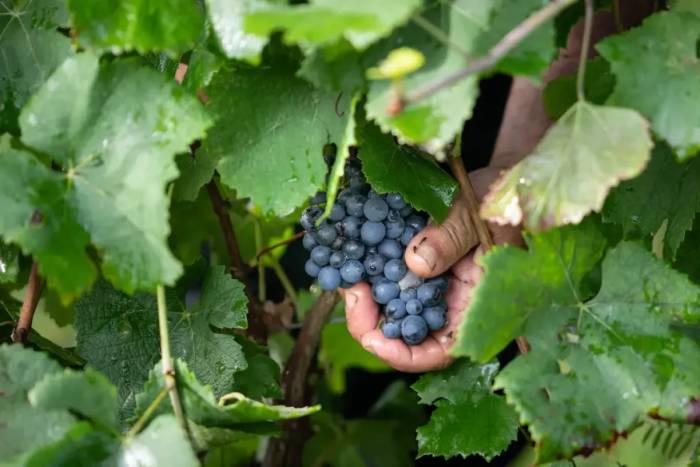
Recent advances in genetic research are changing how scientists understand the history of wine and grape cultivation. A new study published in Nature Communications uses DNA analysis of ancient grape seeds, or pips, found at archaeological sites in France to trace the origins and development of winemaking. The research shows that humans in what is now France were domesticating grapes for wine production by around 650 B.C., a period that aligns with the founding of Marseille by Greek settlers. The findings suggest that grape domestication in the region may have started even earlier.
The study analyzed more than 150 ancient grape seeds from various French archaeological sites, with 49 samples providing enough preserved DNA for full genomic sequencing. These samples ranged from the Bronze Age, around 2250 B.C., to about A.D. 1450. The earliest seeds were from wild grapevines, but by 625 B.C., domesticated varieties began to appear. Some seeds showed hybrid traits, indicating a mix between wild and cultivated grapes. This genetic evidence marks a clear shift toward sustained human cultivation and selection of grapevines.
Researchers identified France as a significant center for the historical development of winemaking. The genetic data also revealed remarkable continuity in certain grape lineages. Varieties such as Pinot noir have remained almost unchanged for centuries due to propagation techniques that produce genetically identical clones. This method contrasts with other crops like maize, which have undergone thousands of generations of change since their domestication.
The earliest domesticated grapes are believed to have originated in the mountainous area between the Black and Caspian Seas, with archaeological evidence of winemaking dating back at least 8,000 years. As trade routes expanded and populations migrated, domesticated grape varieties spread westward into Europe and mixed with local wild species. Over time, regions like France developed distinct wine cultures influenced by genetic inputs from across Europe and the Middle East.
Despite this long history, many questions remained about when specific grape varieties emerged and how cultivation practices evolved. Ludovic Orlando of the University of Toulouse led the recent study to address these gaps. His team’s work extends the known genetic record of grapes both backward and forward in time, providing new clarity on when domesticated varieties first appeared in France.
The persistence of certain grape lineages is linked to agricultural practices such as propagation through cuttings rather than seeds. This approach allows growers to maintain desirable traits like flavor and adaptability to local climates over many generations. Researchers say this stability is unusual compared to other crops, where genetic diversity is often introduced through breeding.
The study’s findings could have implications for modern viticulture as well. By expanding the database of ancient and modern grape genomes, scientists hope to identify traits that make vines more resilient to climate change. Many European grape varieties originally came from regions with hotter and drier climates, which could help inform future breeding efforts.
Orlando’s team plans to extend their research further back in time and across different regions to build a more complete picture of how grapes and human culture have evolved together. While some may wonder if it is possible to recreate ancient wines using this genetic information, researchers caution that wine production depends on many factors beyond grape genetics, including climate conditions, fermentation methods, microbial activity and aging processes.
The study highlights how scientific advances are helping answer longstanding questions about one of humanity’s oldest beverages while also pointing toward new ways to preserve and improve wine production for future generations.

Founded in 2007, Vinetur® is a registered trademark of VGSC S.L. with a long history in the wine industry.
VGSC, S.L. with VAT number B70255591 is a spanish company legally registered in the Commercial Register of the city of Santiago de Compostela, with registration number: Bulletin 181, Reference 356049 in Volume 13, Page 107, Section 6, Sheet 45028, Entry 2.
Email: [email protected]
Headquarters and offices located in Vilagarcia de Arousa, Spain.