Global Wine Consumption Drops 15% as Industry Faces Shrinking Markets
Younger drinkers drive innovation and premium sales, offering hope amid declining volumes and changing consumer habits worldwide
2026-04-06
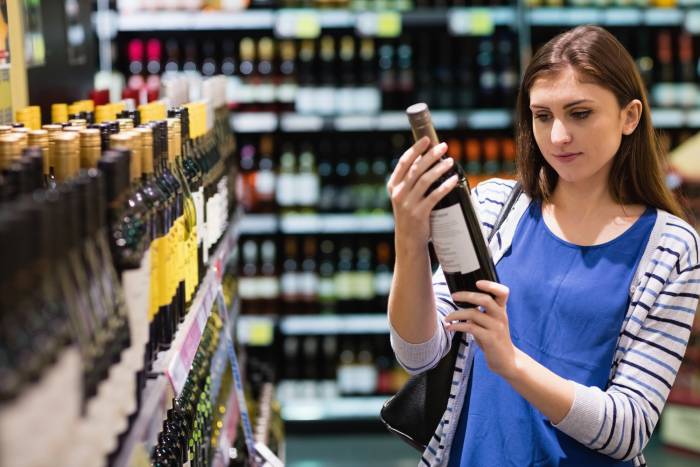
The global wine industry is facing a period of contraction, with consumption and the number of wine drinkers declining in many major markets. Despite these challenges, there are signs of hope centered on younger legal drinking age (LDA+) consumers, who are showing increased confidence and willingness to spend on wine. This shift is influencing the direction of the industry, as younger drinkers become more involved and experimental in their choices.
Between 2019 and 2024, total still and sparkling wine volumes dropped by 15%, according to data from IWSR, a leading source for beverage alcohol market analysis. The decline was seen across all top five wine markets: the United States, Italy, Germany, France, and the United Kingdom. Some countries, such as Portugal, Italy, China, and Japan, experienced notable drops in their wine-drinking populations. However, other markets like the US, Germany, and India have added nearly 10 million new wine drinkers over the past three to four years.
Younger consumers are becoming a larger part of the regular wine drinker base. In Germany and the UK, people aged LDA-34 now make up 22% of wine drinkers; in the US it is 23%, and in Sweden it is 27%. These younger cohorts are more engaged with wine than previous generations. They are open to trying new styles and formats and are willing to spend more per occasion. In the UK, 66% of LDA-34 regular wine drinkers are considered “high-involvement,” meaning they have a strong interest in wine and take time when purchasing it. Similar trends are seen in Italy (49%) and the US (44%).
The industry continues to face financial and regulatory pressures. Alcohol regulation, trade tariffs, and lingering inflation have affected pricing and trade flows. Export-reliant regions are particularly vulnerable as trade disputes change access to key markets. Governments and health organizations are also increasing efforts to reduce alcohol consumption through taxes and stricter regulations.
Consumer sentiment varies by country. At the end of 2025, French consumers remained cautious about spending on wine, while those in the US and UK showed more optimism. Australia, India, and Brazil demonstrated resilience despite economic uncertainty. In China’s urban upper-middle class, however, confidence has declined over the past year.
Moderation is another trend affecting wine consumption. Many consumers are drinking less due to financial concerns, health priorities, or the use of weight loss drugs. Among those drinking less wine in the top 14 markets surveyed by IWSR, 40% said they were cutting back on alcohol overall; 28% cited reduced spending on wine; and 25% said they were focusing on their wellbeing. While mature markets like France, Canada, the UK, Spain, and Germany report declines in consumption, countries such as China, India, and Brazil are seeing increases.
Despite overall moderation trends, premiumization remains resilient at higher price points. Lower-priced segments saw global compound annual growth rate (CAGR) volume declines between -3% and -5% from 2019 to 2024. In contrast, super-premium and prestige wines grew by CAGRs of +1% and +2%, respectively.
Younger drinkers are also changing how wine is purchased. While brand awareness and grape variety remain important for most consumers, younger LDA+ drinkers rely more on recommendations and food pairing potential when choosing wines. Their openness to new styles and formats creates opportunities for brands to innovate.
Growth areas within the category include no/low-alcohol wines, low-sugar or low-calorie options, sparkling wines, products with sustainability credentials, and ready-to-drink (RTD) offerings like spritzers and coolers. No-alcohol wine volumes more than doubled in both the UK and US between 2019 and 2024. Sparkling wines have also bucked negative trends: globally their volumes grew at a CAGR of +2%, driven by Prosecco (+5%) and no-alcohol sparkling wines (+12%). Still wines declined by -4% over the same period.
Sparkling wines are increasingly consumed casually rather than only during celebrations—a shift driven by younger consumers who enjoy experimenting with flavored sparkling wines or spritzes. The RTD subcategory of wine spritzers and coolers also grew at a CAGR of +2% between 2019 and 2024.
As younger LDA+ consumers continue to shape habits with their broader tastes and willingness to try new products—and as premium segments show resilience—the global wine industry is watching closely for signs that these trends can help offset ongoing declines elsewhere in the market.

Founded in 2007, Vinetur® is a registered trademark of VGSC S.L. with a long history in the wine industry.
VGSC, S.L. with VAT number B70255591 is a spanish company legally registered in the Commercial Register of the city of Santiago de Compostela, with registration number: Bulletin 181, Reference 356049 in Volume 13, Page 107, Section 6, Sheet 45028, Entry 2.
Email: [email protected]
Headquarters and offices located in Vilagarcia de Arousa, Spain.