WRAP Launches 10-Year Packaging Pact in Britain
The pact sets new goals for reuse, recyclability and recycled content as Britain prepares tougher waste rules.
2026-04-29
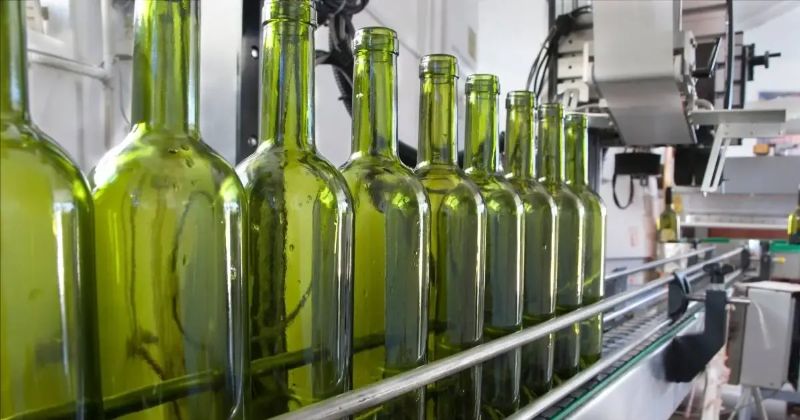
WRAP has launched a 10-year packaging pact in Britain that it says is meant to push the industry toward new standards for reuse, recyclability and recycled content as the country prepares for broader packaging rules and waste-reduction targets.
The UK Packaging Pact brings together businesses, local authorities and nonprofit groups in an effort to speed up changes across the supply chain, from design and materials to reporting and recovery. WRAP, the waste and resources charity that helped create the pact, said the goal is to move beyond government targets and give companies a shared framework for action through 2035.
The pact expands the focus beyond plastics to cover all packaging materials, including glass, paper, metal and fiber-based formats. That matters for food and drink producers, especially wine importers and bottlers, because glass remains one of the most widely used packaging materials in the sector and is likely to face closer scrutiny as Britain builds out extended producer responsibility rules and a deposit return scheme.
Under the pact, signatories are expected to work toward packaging that is fully recyclable or reusable by 2025 and to raise recycled content in packaging to 30% by that year. The initiative also supports a target that 70% of plastic packaging should be effectively recycled or composted by 2030. WRAP said the pact is designed to help companies measure progress through transparent reporting, which could make it easier for regulators and buyers to compare performance across brands.
The organization said packaging remains essential for protecting goods and reducing food waste, but added that its environmental impact needs to be reduced. That balance has become a central issue for beverage companies, which rely on packaging both to preserve product quality and to meet growing demands from retailers, consumers and policymakers for lower-carbon materials and higher recycling rates.
Industry groups have increasingly argued that clearer standards are needed as Britain moves toward new waste policies. Extended producer responsibility will shift more of the cost of managing packaging waste onto manufacturers and importers, while the deposit return scheme is expected to change how drinks containers are collected and reused. For wine businesses, those changes could affect labeling, logistics, material choices and costs tied to glass bottles.
WRAP said the pact is intended to encourage innovation in packaging design and increase the use of recycled content. It also backs government measures such as extended producer responsibility and the plastic packaging tax, which were introduced to push companies toward more sustainable packaging decisions.
Businesses that join the pact will be asked to collaborate across sectors rather than act alone. WRAP said that approach is meant to reduce fragmentation in the market and create a more consistent path toward circular packaging systems in Britain.

Founded in 2007, Vinetur® is a registered trademark of VGSC S.L. with a long history in the wine industry.
VGSC, S.L. with VAT number B70255591 is a spanish company legally registered in the Commercial Register of the city of Santiago de Compostela, with registration number: Bulletin 181, Reference 356049 in Volume 13, Page 107, Section 6, Sheet 45028, Entry 2.
Email: [email protected]
Headquarters and offices located in Vilagarcia de Arousa, Spain.