Wine Officials Seek UNESCO Recognition
Producers argue that wine should be protected as cultural heritage, not judged only as alcohol.
2026-05-06
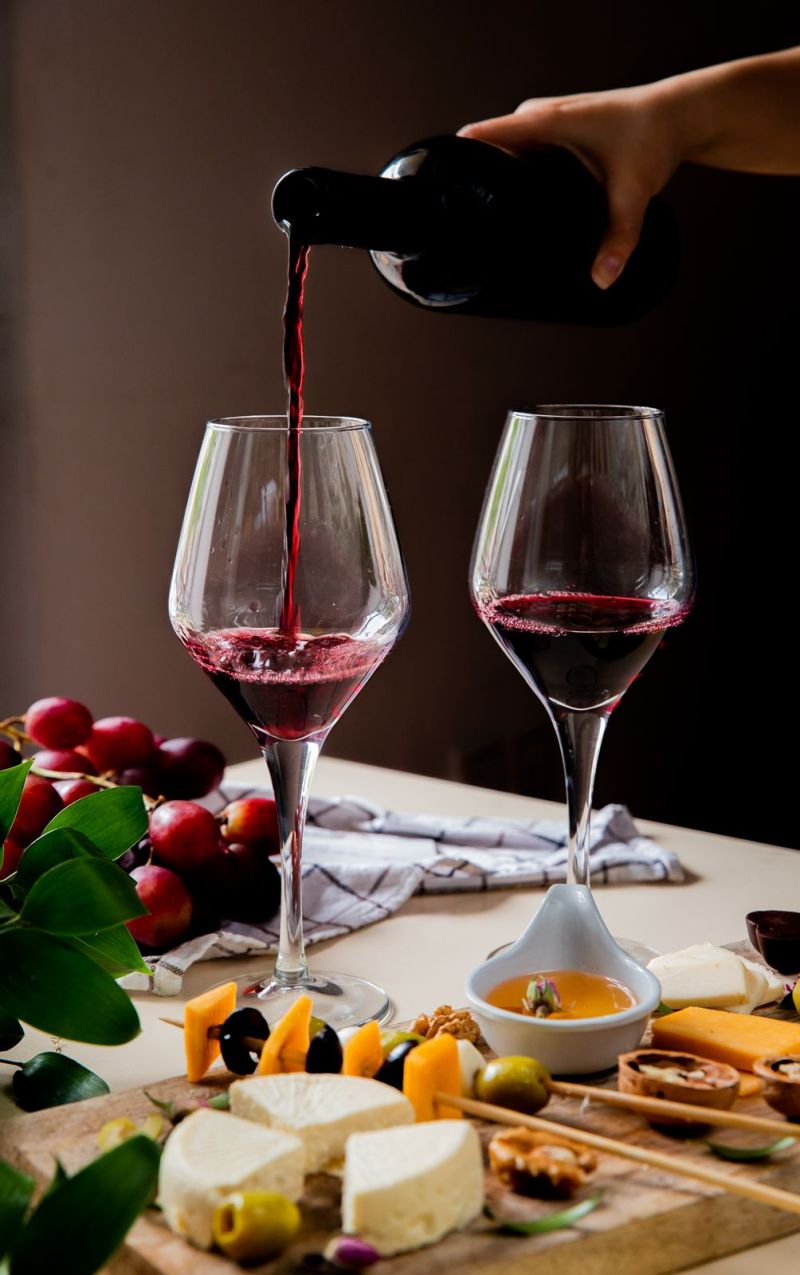
Wine officials and government ministers gathered in Verona last month to make a case that goes beyond trade, tourism and taste: They want wine recognized as cultural heritage, not treated only as alcohol.
At a roundtable during Vinitaly on April 13, the International Organization of Vine and Wine and Italy’s agriculture ministry argued that wine should be protected through UNESCO, the United Nations agency that designates cultural and natural heritage sites and traditions. The push comes as European regulators consider stronger warning labels on alcoholic drinks and as younger consumers in many markets are drinking less.
Italy’s agriculture minister, Francesco Lollobrigida, told the audience that a bottle of wine contains “land, culture, work, enterprise, identity, tradition,” and said wine should not be reduced to its alcohol content. John Barker, the director general of the OIV, said wine has been part of human history for more than 8,000 years and should be understood as a cultural asset as well as an economic one.
The meeting brought together officials from several wine-producing countries, including Georgia and Serbia, both of which used the event to underline their own long histories with viticulture. David Songulashvili, Georgia’s minister of environmental protection and agriculture, said wine is part of his country’s “DNA” and pointed to Georgia’s 500 indigenous grape varieties and its qvevri winemaking tradition, which UNESCO already lists as intangible cultural heritage. Serbia’s agriculture minister, Dragan Glamočić, said his country had begun the process of seeking UNESCO World Heritage status for the historic Negotin wine cellars.
The producers’ side also stressed the economic weight of wine tourism. Marzia Varvaglione, president of the Comité Européen des Entreprises Vins, said 15 million visitors toured European wineries last year and generated more than $17 billion in spending. She argued that UNESCO recognition would strengthen the link between wine and place at a time when younger consumers are increasingly influenced by lifestyle branding.
The debate has clear implications beyond Europe. In January 2025, then-U.S. Surgeon General Vivek Murthy called for cancer warning labels on alcoholic beverages. A year later, federal dietary guidelines were revised to replace the old daily drink limits with a broader recommendation to consume less alcohol for better health. Those changes have added pressure on wine producers in the United States and abroad to defend their product in cultural terms rather than only commercial ones.
Barker said the OIV would pursue broader global recognition for wine culture and suggested UNESCO could provide that framework. He argued that such recognition would not encourage heavier drinking but would help preserve what he called a shared cultural experience.

Founded in 2007, Vinetur® is a registered trademark of VGSC S.L. with a long history in the wine industry.
VGSC, S.L. with VAT number B70255591 is a spanish company legally registered in the Commercial Register of the city of Santiago de Compostela, with registration number: Bulletin 181, Reference 356049 in Volume 13, Page 107, Section 6, Sheet 45028, Entry 2.
Email: [email protected]
Headquarters and offices located in Vilagarcia de Arousa, Spain.