China Tightens Tax Rules on Beer Sales
New filing requirements for baijiu and a higher tax base for related-party beer sales could raise costs for producers in China
2026-05-15
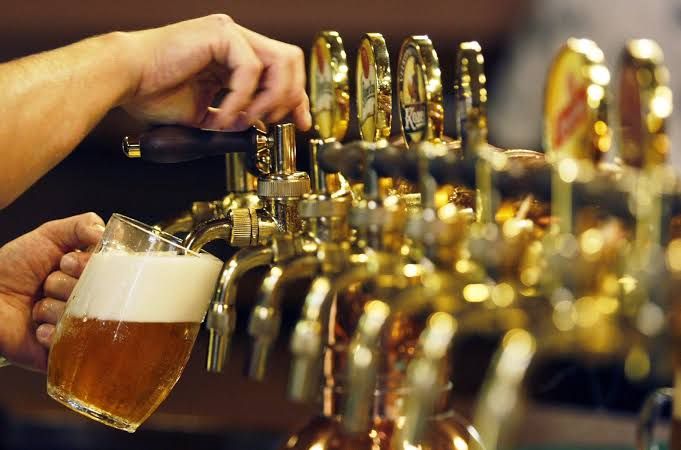
China has moved to tighten tax rules on beer and baijiu, two of the country’s most closely watched alcohol categories, in a shift that could affect pricing, margins and compliance for producers with related-party distribution networks.
The State Taxation Administration said on April 1 that beer consumption tax should now be calculated under a “higher of two” rule. For beer sold to a related distributor, the taxable price is now whichever is higher: the manufacturer’s ex-factory price or the distributor’s external resale price. Under the previous approach, the distributor’s selling price was used. The change took effect immediately and applies to companies with related-party structures, including joint ventures and foreign-invested producers that sell through affiliated distributors.
The new rule matters because it can raise the tax base in cases where a producer’s own factory price is above the distributor’s resale price. That means some companies may face a larger consumption tax bill even if their downstream pricing has not changed. The tax authority is using existing transfer-pricing definitions to determine whether parties are related, including ownership links of 25% or more, loan dependence, licensing ties, shared management or family relationships.
For beer makers operating in China, the practical effect is likely to be a fresh review of internal pricing and tax exposure by brand and product line. Companies that rely on affiliated distributors will need to check whether their current pricing structure still makes commercial sense under the new formula and whether their documentation can support any lower ex-factory prices if those prices are challenged under arm’s-length rules.
China also updated filing requirements for baijiu, the clear spirit that remains one of the country’s most important excise-tax categories. On April 22, the tax administration issued revised consumption tax return forms that add two supplementary schedules for baijiu producers. The changes take effect June 1 and will first apply to quarterly filers in the July 2026 filing period.
One new schedule requires producers to report sales volume, ex-factory price and declared taxable price for each minimum selling unit, broken out between related and unrelated buyers. The second requires detailed information on related distributors, including names, regions and the period of the relationship. The first filing will require full manual entry; later filings will auto-populate unless there are changes.
The baijiu rules are designed to make it easier for tax authorities to verify how consumption tax is calculated at the line-item level. Baijiu tax is based on the highest of three figures: the ex-factory price, a related party’s resale price or a minimum assessed price set by tax authorities. In some cases, if a product sold to a related party is priced below 70% of that party’s resale price, authorities can set a minimum assessed price at 60% of the resale value.
For spirits producers, especially those with premium brands or joint ventures in China, the new filing schedules mean more detailed reporting and closer scrutiny of pricing practices. Companies will need systems that can track sales at the smallest unit level and keep related-party records current.
The broader message from April’s changes is that China is pushing for more transparency in excise-tax reporting while also tightening how it measures taxable value in sectors where affiliated distribution is common. For beer and baijiu producers alike, that means more data collection, more documentation and less room for informal pricing arrangements that do not match reported tax values.
