Regulators Scrutinize QR Codes on Food Labels
Digital pages are replacing some on-pack disclosures, raising concerns about consumer access to nutrition facts and marketing claims.
2026-04-24
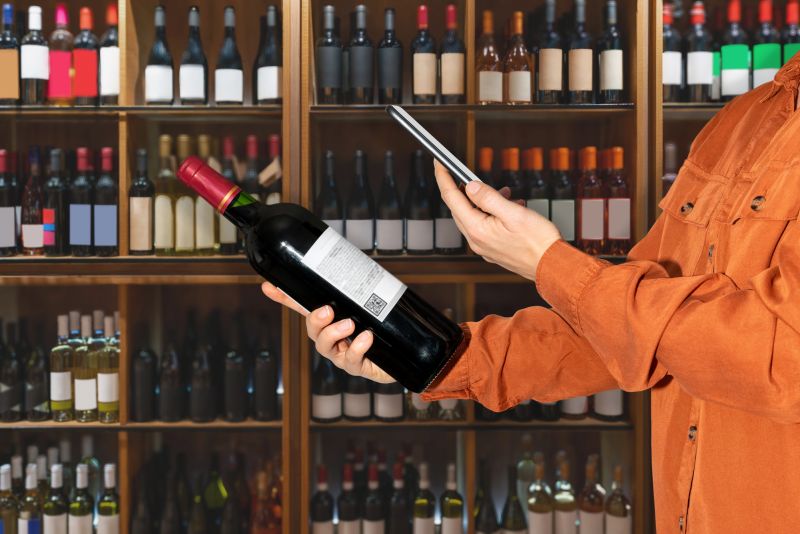
Regulators are beginning to take a closer look at QR codes on food and beverage packaging as digital labeling moves beyond marketing and into areas that affect transparency, consumer access to information and the way health and sustainability claims are presented.
The shift matters for wine, spirits and other packaged drinks because QR codes are increasingly being used to carry ingredient details, nutrition information, traceability data and brand messaging. What started as a tool for promotions and storytelling is now drawing attention from policymakers who want to know whether consumers can actually find the information they need, and whether companies are using digital pages to make claims that would face tighter scrutiny on the physical label.
A study published in Health Promotion International and highlighted by Bakery&Snacks examined 483 breakfast cereal products in Australia. Researchers found QR codes on 16% of packs. Every code led to a brand-owned website, but none provided a full nutrition information panel. Most of the landing pages focused on recipes, product stories, sustainability messages and positive brand content rather than essential product facts.
That finding has broader implications for packaged beverages, where QR codes are already common in some markets and are likely to become more important as labels get crowded with mandatory disclosures. In the wine sector, for example, producers have used QR codes to meet ingredient and nutrition requirements while preserving space on the bottle. But the same digital format can also be used to push marketing claims that may be harder for regulators to monitor once they move off the label.
The concern is not only what information appears behind the code, but how consumers reach it. Shoppers do not always scan QR codes unless they are clearly prompted, and many still prefer information that is visible at a glance. If key details migrate from the package to a digital page, regulators worry that the information may remain technically available but practically out of sight.
That creates a problem for categories where allergens, nutrition facts and processing methods matter to purchasing decisions. It also raises questions about fairness in labeling rules if some brands use QR-linked pages mainly to promote sustainability or health benefits without giving consumers the same level of direct access they would expect from on-pack statements.
The study also found that more than half of the QR-linked pages included sustainability references, while many contained health or nutrition messaging. Because those claims sit on brand-controlled websites rather than directly on the package, they can fall into a less visible enforcement area. That has prompted concerns about digital greenwashing and healthwashing, especially if companies use softer language online than they would be allowed to use on the label itself.
For beverage makers, the issue is becoming more than a design choice. As digital labeling expands, regulators are likely to ask whether QR codes improve transparency or simply move persuasion off-pack. The answer could shape how wine, beer and spirits producers present ingredients, nutrition data and environmental claims in the years ahead.

Founded in 2007, Vinetur® is a registered trademark of VGSC S.L. with a long history in the wine industry.
VGSC, S.L. with VAT number B70255591 is a spanish company legally registered in the Commercial Register of the city of Santiago de Compostela, with registration number: Bulletin 181, Reference 356049 in Volume 13, Page 107, Section 6, Sheet 45028, Entry 2.
Email: [email protected]
Headquarters and offices located in Vilagarcia de Arousa, Spain.