American Whiskey Distillers Turn to Singapore
Trade tensions and softer U.S. demand are pushing producers to seek steadier export growth in the city-state.
2026-04-28
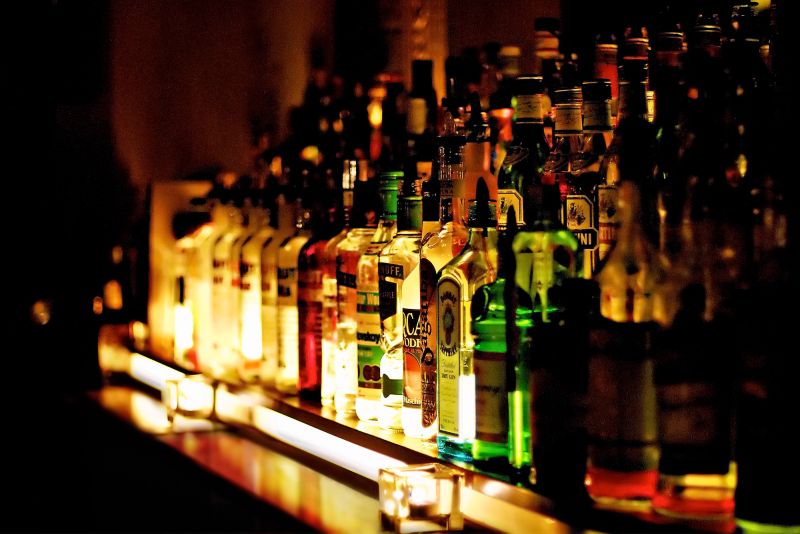
American whiskey distilleries are redirecting shipments to Singapore as trade tensions with key export markets and softer consumer spending in the United States push producers to look for steadier demand abroad.
The shift comes as Canada, one of the traditional markets for American whiskey, has pulled U.S. spirits from retail shelves in response to tariffs of up to 35% on some Canadian goods. That has effectively shut American whiskey out of a market that had long been important for exports, according to Michael Bilello, president and chief executive of the American Whiskey Association.
“Canada is essentially shut off for American whiskey,” Bilello said in an interview with The Straits Times on April 21 during a trade event in Singapore organized by the Distilled Spirits Council of the United States, known as DISCUS. He said Europe has also become more difficult to navigate, even before any retaliatory measures are fully in place, because the threat of tariffs has made planning harder for distillers that depend on long production cycles and long-term forecasts.
The pressure is not coming only from overseas. Bilello said demand in the United States has softened as consumers cut back on discretionary purchases amid higher inflation. That has left distillers with more inventory at home and fewer clear options for moving product.
“There is a good amount of inventory in the US, so we have to look at export markets we haven’t previously explored,” he said.
Singapore has emerged as one of those markets. Exports of U.S. distilled spirits, including whiskey, reached US$27 million in 2025, up 42.6% from 2024, according to figures cited by industry officials. The country’s appeal rests partly on trade policy: under a long-standing free trade agreement, Singapore imposes no tariffs on American whiskey.
That stability matters at a time when producers are trying to reduce exposure to markets where tariff policy can change quickly. It also helps that Singapore already has a strong bar and restaurant scene and a growing appetite for premium and craft spirits.
Joel Matticks, manager of export promotions at DISCUS, said the rise in demand reflects both consumer taste and the city-state’s role as a regional hub. “You can have a relatively inexpensive highball, or a premium single malt with a high price tag, but either way, it’s part of the experience folks here are willing to pay for,” he said.
The event at the U.S. ambassador’s residence featured whiskies from distilleries that are seeking entry into Singapore for the first time, including Arizona Distilling Company, Cleveland Whiskey, Koval Distillery, Traverse City Whiskey Company and Virginia Distillery Company. Industry representatives said they see room for more American labels in a market where Scotch and Japanese whiskies still dominate many back bars.
Faizal Noor, club beverage manager at 67 Pall Mall Singapore, said some of the spirits he sampled were “new and cool” and “unique in Singapore.” He said bourbon drinkers in the city are looking for something different.
Chua Khoon Hui, chief executive of TSH Corporation, which operates Quaich Bar in Singapore, said American whiskey is often seen locally as having a narrower flavor range than single malt Scotch. He said that perception can make it harder for smaller boutique labels to stand out unless they are supported by education and stronger brand building.
Still, Chua said more variety would benefit drinkers here. “The Singapore market will definitely benefit from having more boutique American whiskies with varied taste profiles that offer a different experience to consumers,” he said.
Distillers are now working more closely with importers, distributors and hospitality operators to build awareness and expand shelf space. That includes more tastings, marketing campaigns and efforts to place smaller craft producers alongside better-known brands.
Bilello said Singapore’s influence extends beyond its own borders because trends that take hold here often spread through Southeast Asia. He pointed to nearby markets such as Thailand, Vietnam and the Philippines as places where stronger visibility in Singapore could help American whiskey gain traction later on.

Founded in 2007, Vinetur® is a registered trademark of VGSC S.L. with a long history in the wine industry.
VGSC, S.L. with VAT number B70255591 is a spanish company legally registered in the Commercial Register of the city of Santiago de Compostela, with registration number: Bulletin 181, Reference 356049 in Volume 13, Page 107, Section 6, Sheet 45028, Entry 2.
Email: [email protected]
Headquarters and offices located in Vilagarcia de Arousa, Spain.