Researchers unveil biodegradable vine shield
The new dsRNA-based product targets downy mildew and botrytis with no detectable residue.
2026-04-29
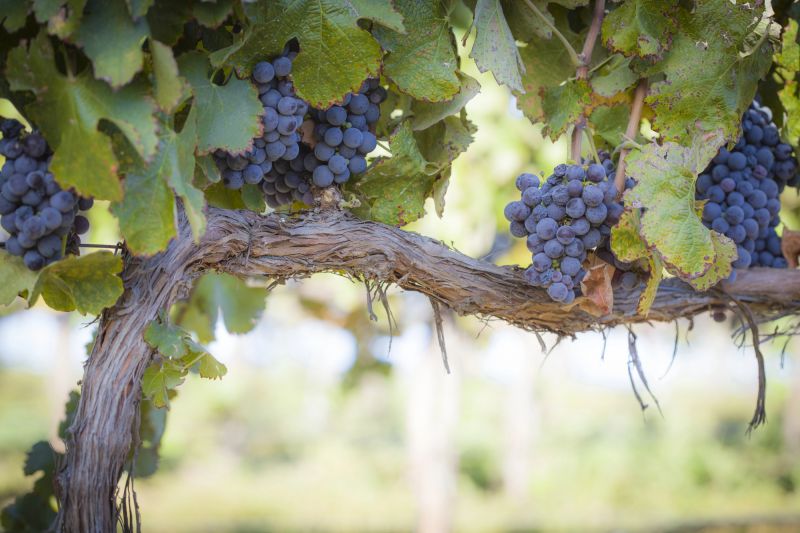
A new vine-protection product designed to fight downy mildew and botrytis with no detectable residue was presented at Vinitaly 2026 in Verona, where researchers from the University of Milan’s Faculty of Agriculture and the Crea Viticoltura ed Enologia said they had developed a molecule that is both highly effective and fully biodegradable. The project, called Grape4vine, comes after 36 months of work by 25 researchers and is backed by Fondazione Cariplo. It aims to turn winery byproducts such as grape pomace and prunings into a tool for crop protection, in a move that its developers say could reduce reliance on synthetic chemicals in vineyards.
The researchers said the molecule reduced disease incidence by about 80% in trials. Silvia Toffolatti, a professor at the University of Milan, said the approach is based on double-stranded RNA, or dsRNA, a biotechnology that uses gene silencing to weaken pathogens or make plants less vulnerable. In the case of downy mildew, the team identified plant susceptibility genes and used dsRNA to silence them, reducing disease severity. For Botrytis cinerea, the target was fungal genes essential to the pathogen’s development. The result, the researchers said, is a targeted defense method that leaves no harmful residue and does not affect other organisms.
Downy mildew remains one of the most damaging threats to European vineyards, and in Italy it caused major losses in 2023, with average crop damage estimated at 30%-40% and some areas in central Italy reporting losses as high as 100%. The disease affected about 30,000 farms and caused tens of millions of euros in damage, according to figures cited by the Italian Association for Plant Protection. That scale of loss has made the search for alternatives urgent for growers facing more frequent weather swings linked to climate change.
The project also reflects a broader push toward circular-economy methods in agriculture. By using waste from wine production as a growth substrate for microorganisms that help produce dsRNA, the researchers said they can lower costs if the process is scaled up while giving new value to agro-industrial waste. Attilio Scienza, a noted viticulture professor at the University of Milan and an adviser to the project, said the work shows that plant defense should no longer be seen only as protecting vines, but as strengthening them.
A second phase has already begun under a separate regional funding call from Lombardy aimed at turning the dsRNA molecule into a commercial product and preparing it for industrial production. Researchers and industry representatives who took part in the closing discussion urged regulators to move quickly on approval. Among those calling for faster action were Maurizio Bogoni of Tenute Ruffino, Elisa De Luca of Vivai Cooperativi Rauscedo, Valentina Papeschi of FuturAgri Brescia-Condifesa and Luca Nerva of Crea, along with executives from Gowan Italia and Diachem.
Their message was that climate change is shortening the window for effective vineyard treatments and making existing defenses harder to manage. Barbara Ferro, chief executive of Veronafiere, praised the research team’s work and said closer ties between science and industry are essential if innovation is to help the wine sector respond to climate, environmental and market pressures.

Founded in 2007, Vinetur® is a registered trademark of VGSC S.L. with a long history in the wine industry.
VGSC, S.L. with VAT number B70255591 is a spanish company legally registered in the Commercial Register of the city of Santiago de Compostela, with registration number: Bulletin 181, Reference 356049 in Volume 13, Page 107, Section 6, Sheet 45028, Entry 2.
Email: [email protected]
Headquarters and offices located in Vilagarcia de Arousa, Spain.