California Wine Harvest Falls to Its Lowest Level Since 1999
Growers cut vines and wineries close as oversupply, weaker demand and trade tensions reshape the state’s industry
2026-04-29
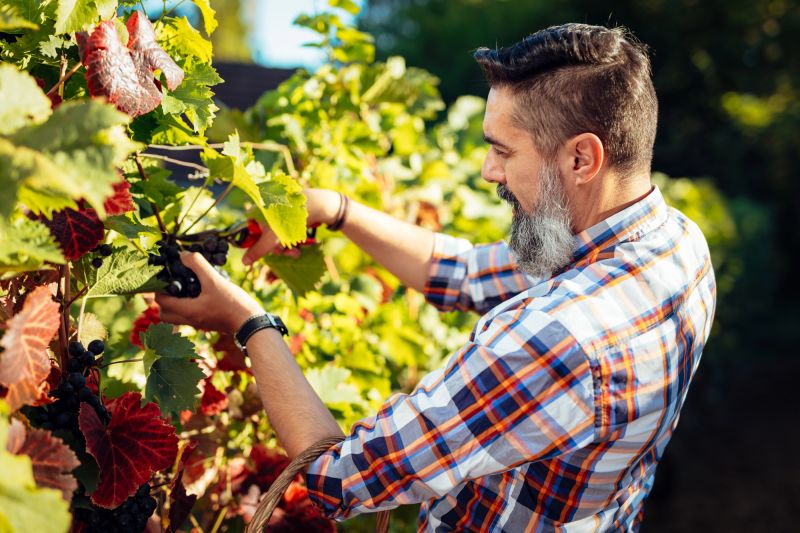
California’s wine industry is undergoing a forced reset as growers and wineries confront a shrinking harvest, persistent oversupply and weaker demand that have pushed the state’s grape crush to its lowest level since 1999.
The U.S. Department of Agriculture’s Preliminary Grape Crush Report for 2025 shows California’s grape harvest at just over 2.62 million tons, down 8.4% from the previous year. The figures point to a broad slowdown across the state’s vineyards and wineries, with only a few varieties, including Pinot Grigio and Sauvignon Blanc, showing relative strength.
The decline reflects more than one difficult season. Industry analysts say California has been dealing for years with excess wine inventories, changing consumer tastes and pressure on prices. In many cases, grapes were left unpicked because wineries did not renew contracts or chose not to take fruit they had previously bought. That has left growers with fewer outlets and less leverage in a market that is no longer absorbing the same volume of wine it once did.
The adjustment is visible in the vineyards themselves. Voluntary vine removals have increased, especially in the Central Valley, where large-scale production has long supplied much of the state’s bulk wine market. But the cuts are not limited to lower-cost regions. Some growers in Napa and Sonoma, two of California’s most closely watched premium wine areas, have also pulled out vines as they respond to weaker economics and tighter demand.
The pressure is also reshaping business structures. Wineries and wine brands have been closing, sold off or folded into larger groups as companies try to reduce costs and match production more closely to sales. The changes suggest that California wine is moving through a deeper restructuring rather than a short-term downturn.
Trade tensions have added another layer of strain. Tariffs and related disputes with Canada have weighed on exports and complicated relationships with one of the industry’s important foreign markets. For producers already facing surplus inventory at home, the loss of momentum abroad has made it harder to find relief.
For decades, California stood as the engine of American wine growth, expanding vineyards, production and sales with little sign of slowing. Now the state is being forced to confront a different reality: less fruit harvested, fewer vines in the ground and a market that no longer rewards volume in the same way it once did.

Founded in 2007, Vinetur® is a registered trademark of VGSC S.L. with a long history in the wine industry.
VGSC, S.L. with VAT number B70255591 is a spanish company legally registered in the Commercial Register of the city of Santiago de Compostela, with registration number: Bulletin 181, Reference 356049 in Volume 13, Page 107, Section 6, Sheet 45028, Entry 2.
Email: [email protected]
Headquarters and offices located in Vilagarcia de Arousa, Spain.