China Detains 40 Suspects in a Crackdown on Counterfeit Special-Supply Liquor
Authorities said they seized more than 75,000 cases of fake premium spirits sold with misleading claims of government or military ties.
2026-06-15
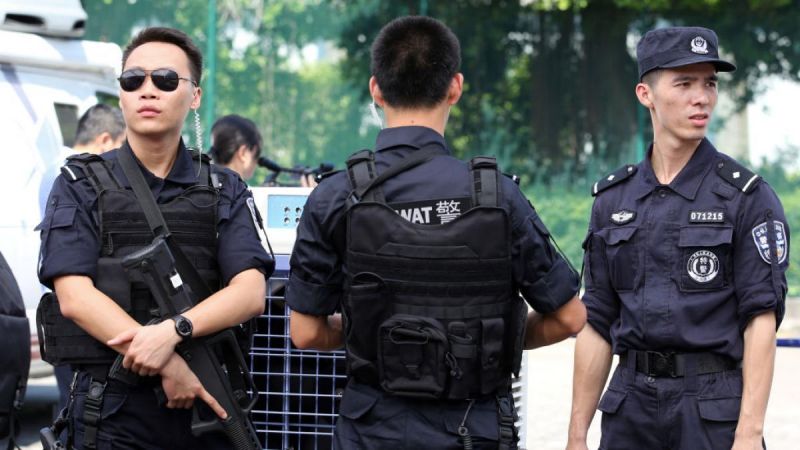
Chinese authorities said they had dismantled several criminal networks tied to counterfeit “special-supply” liquor, seizing more than 75,000 cases of illegal products and detaining 40 suspects in a nationwide crackdown announced on Friday.
The State Council’s food safety office said the campaign focused on liquor falsely marketed as being reserved for government agencies, the military or other official institutions. Officials said the operation began after online monitoring and media reports identified products sold under names such as Jingzong No. 1 and Juntai, labels that were presented in ways that suggested official or military connections.
According to the authorities, investigators working with market regulators and public security agencies uncovered 75,200 boxes of illicit liquor. Most of the products were described as counterfeit sauce-aroma baijiu made by blending industrially produced alcohol with flavoring agents and then packaging the drinks as premium spirits.
Officials said the investigation led to the breakup of organized groups involved in producing and distributing the liquor. The 40 detainees are suspected of crimes including false advertising and the manufacture or sale of counterfeit goods.
The food safety office said 52 cases involving the illegal production and sale of “special-supply” liquor have been handled so far. As part of the enforcement action, authorities shut down five licensed liquor manufacturers and 36 sales entities linked to the scheme. They also dismantled three unlicensed production sites and investigated one flavoring manufacturer along with seven packaging and printing companies that officials said were part of the supply chain.
The crackdown also extended to online sales channels. Authorities said they found violations involving seven internet platform operators, 61 online stores suspected of selling counterfeit liquor and 78 livestreaming channels accused of using misleading marketing tactics to attract buyers. Regulators ordered all identified products and related promotional material removed from online platforms.
Sun Huichuan, food safety director at the State Administration for Market Regulation, warned businesses against trying to profit from claims that alcoholic products are supplied through internal or official channels. He said regulators would continue to pursue violations regardless of how the products are branded or marketed.
Authorities also urged consumers not to trust promotional claims suggesting that alcoholic beverages are reserved for government bodies or other restricted channels.
The case is significant for China’s broader drinks industry because it shows how counterfeit spirits can move through licensed producers, packaging suppliers, online stores and livestreaming sales at the same time. That raises potential reputational and regulatory risks well beyond the companies directly targeted, especially in a market where premium positioning and authenticity claims play a central role in sales.
