


Russia Rises to Sixth in Europe’s Wine Production
Sanctions and import curbs helped lift domestic output to 5.7 million hectoliters in 2025
2026-05-28
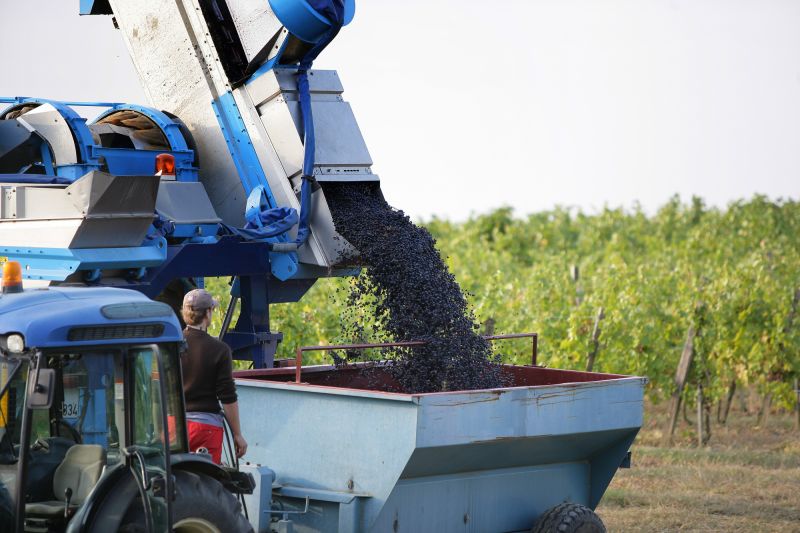
Russia rose to sixth place among Europe’s wine producers in 2025 and ranked 11th worldwide, accounting for 2.5% of global output, according to data from the International Organisation of Vine and Wine reported by RIA Novosti.
The increase came as western sanctions, tighter import rules and shifting trade patterns reduced foreign supplies and pushed more investment into domestic production, the Paris-based organization said. Russian wine output reached 5.7 million hectoliters in 2025, up 11.5% from 2024 and 22.5% above the average annual level over the previous five years.
The growth reflects a broader effort by Moscow to strengthen domestic agriculture and food production after restrictions on imports from Europe and other western countries. Russia has also expanded subsidies for local vineyards and tightened regulations on imported wine, especially in southern regions such as Krasnodar and Crimea, where much of the country’s wine industry is concentrated.
Russia’s wine sector has deep historical roots. During the Napoleonic era, Russian officers and Cossacks encountered Champagne in France, and one of the best-known stories from that period involves Veuve Clicquot’s cellars and the company’s later ties to the Russian market. In the south of Russia, vineyards in places such as Anapa have long been associated with grape varieties and techniques linked to that history.
The modern industry has also benefited from a renewed focus on quality over the past decade. Russian producers have invested in vineyards, cellar equipment and winemaking methods after years in which Soviet-era consumers were more familiar with inexpensive sweet wines imported from Georgia and Moldova.
Globally, wine production excluding grape juice and must was estimated at 227 million hectoliters in 2025, slightly above the weak output recorded in 2024 but still 9.4% below the five-year average, according to OIV data. The organization said climate-related disruptions and weaker harvests continued to weigh on production for a third straight year.
The European Union remained the dominant force in world wine production, with output estimated at 136 million hectoliters, or about 60% of global supply, even though volumes fell 1.3% from 2024. Italy kept its position as the world’s largest producer at 44.4 million hectoliters, while France and Spain continued to face pressure from drought, frost and other extreme weather linked to climate change.
