Bordeaux Accelerates Its Wine Overhaul
The region expands lighter styles, sustainability measures and a push in Britain as it marks 90 years as an AOC
2026-05-07
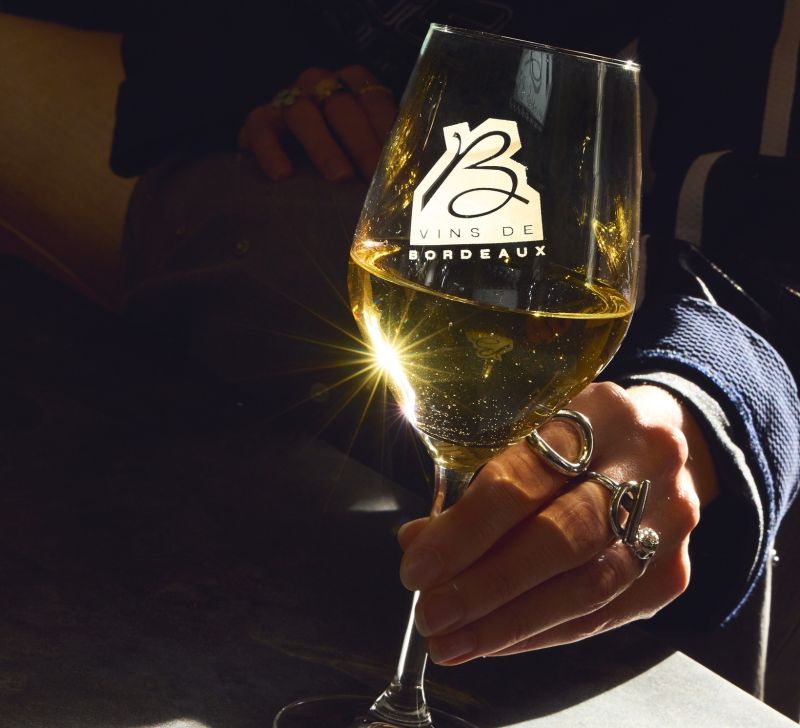
Bordeaux is stepping up a broad modernization effort that combines new wine styles, sustainability targets and a heavier push in the British market as the region marks 90 years as an AOC and tries to present itself as more responsive to changing consumer demand.
The Conseil Interprofessionnel du Vin de Bordeaux said on Thursday that the region has spent the past five years accelerating its transformation through changes in production, packaging and marketing. The update comes as Bordeaux faces lower vineyard area, falling yields and a global wine market that has become more price-sensitive and more open to lighter, fresher styles.
Among the most visible changes is the expansion of styles within established appellations. Entre-deux-Mers, long known for dry white wines, is now also producing red wines. In the Médoc, producers are reviving dry white winemaking based on an 18th-century tradition. Bordeaux claret has also been repositioned as a lighter, fresher and more fruit-forward red style.
The region is also leaning harder into Crémant de Bordeaux, which has become one of its fastest-growing categories. Production has increased fourfold over the past decade. In 2025, exports reached 56,000 hectolitres, or about 7.5 million bottles, up 35% in volume and 37% in value from 2024. The United Kingdom remained Bordeaux’s second-largest export market for Crémant, with value up 29% and the market accounting for 14% of total exports.
Bordeaux said the sparkling category is widening stylistically as well, with Blanc de Blancs, Blanc de Noirs and Extra Brut joining the range. Producers are also highlighting organic, vegan and natural wines, along with atypical blends such as 100% Sémillon expressions.
The update also pointed to a difficult but high-quality 2025 harvest. Production of wines under Appellation d’Origine Protégée totaled 2.9 million hectolitres, down 12% from 2024. Vineyard area fell 9% year over year to 86,000 hectares, the lowest level recorded since 1986. Bordeaux said the vintage benefited from favorable weather and from what it called the skill and adaptability of growers responding to climate change.
Red wines from the vintage were described by the region as showing strong fruit expression and freshness while keeping alcohol levels moderate. Sparkling wines and dry whites were said to be aromatic and vibrant, with Sauvignons showing citrus and guava notes and Sémillons giving fuller-bodied wines. Sweet wines were described as aromatic and elegant in texture.
Sustainability remains central to Bordeaux’s message. Its “Sustainable Impact” program now serves as a sector-wide audited CSR framework covering environmental protection, biodiversity, climate adaptation, supply-chain resilience, responsible sourcing and workplace health and safety. The program includes 69 wine estates, 23 merchant houses and one cooperative cellar, representing nearly 10,000 hectares and 3,300 employees.
Packaging changes are another part of the effort. Bordeaux said it has worked since 2007 to reduce carbon emissions tied to glass bottles. The average bottle weight is now 443 grams, and the sector wants to cut that by another 10% by 2030. Producers are also moving toward labels made with recycled or alternative fibers, less ink and QR codes for product information. Bordeaux has also committed to selling at least 10% of its wines in France in reusable packaging starting in 2027.
The region is pairing those changes with a stronger promotional push in Britain this year. Bordeaux will appear at the London Wine Fair from May 18 to May 20 at Stand E37 with six winemakers, négociants and cooperatives under the Bordeaux Crew banner. It will return to The Big Feastival in Oxfordshire from Aug. 28 to Aug. 30 with wines on tap and guided speed tastings. Bordeaux Wine Month will return in September for its ninth year with more than 100 independent wine merchants across the U.K., offering tastings, promotions and masterclasses.
The announcement also coincides with the 10th anniversary of La Cité du Vin in Bordeaux, which has welcomed nearly 3.5 million visitors since opening in June 2016. The wine museum will mark the milestone this June with events and the return of Via Sensoria, its sensory tasting experience.

Founded in 2007, Vinetur® is a registered trademark of VGSC S.L. with a long history in the wine industry.
VGSC, S.L. with VAT number B70255591 is a spanish company legally registered in the Commercial Register of the city of Santiago de Compostela, with registration number: Bulletin 181, Reference 356049 in Volume 13, Page 107, Section 6, Sheet 45028, Entry 2.
Email: [email protected]
Headquarters and offices located in Vilagarcia de Arousa, Spain.