


Brazilian Researchers Boost Sunscreen SPF With Beer Waste
The lab formula raised SPF from 54 to 178 in early tests
2026-05-12
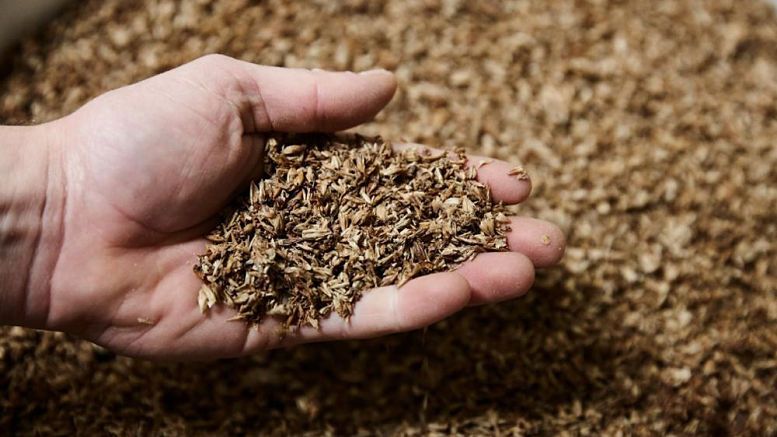
Researchers in Brazil say a waste product from beer production could help make sunscreen much more effective against ultraviolet rays, although the work is still at an early stage and has not yet been tested for commercial use.
In laboratory experiments, scientists added an extract made from spent hops, the leftover plant material from brewing, to a water-based sunscreen formula and found that it raised the product’s Sun Protection Factor, or SPF, from about 54 to 178. The study focused on UVB rays, which are linked to sunburn and can contribute to skin cancer.
Hops are the cone-shaped flowers of the Humulus lupulus vine and are used in beer for flavor and aroma. After brewing, some of the plant material remains as waste. The Brazilian researchers said that residue still contains bioactive compounds and antioxidants that may help protect skin from ultraviolet damage.
The findings come as sunscreen performance has drawn more attention from consumers and regulators. A recent Consumer Reports analysis found that many sunscreens sold in stores did not deliver the SPF protection listed on their labels. That has renewed interest in ingredients that might improve how well sunscreens work.
André Rolim Baby, who coordinated the study, said more research is needed before the idea can move beyond the lab. He said scientists still need to test whether the formula remains stable over time, standardize the bioactive compounds in the hop extract and evaluate safety and effectiveness in clinical studies.
Health experts continue to advise daily use of SPF 30 sunscreen, which blocks about 97% of UVB rays when applied correctly. For longer periods in the sun, SPF 50 products may offer additional protection.
The work also points to a possible new use for brewery waste at a time when food and beverage producers are looking for ways to reuse byproducts instead of discarding them.
