


EU wine labels add QR codes to Dutch bottles
New rules require energy and allergen details on the bottle, with ingredients and nutrition moved online
2026-05-18
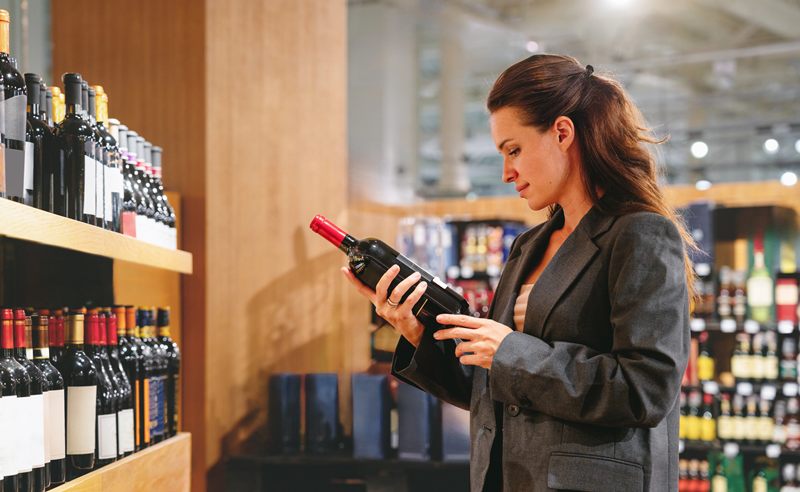
The European Union’s new wine labeling rules are beginning to reshape what shoppers see on bottles in Dutch stores, with producers now required to put the energy value and allergen information on the physical label while moving the full ingredient list and nutrition details behind a QR code.
The rules, which took effect on March 18 under EU Regulation 2026/471, apply to newly produced wine and are part of a broader package meant to standardize wine labels across the bloc. On the shelf, that means a small black E symbol for energy, along with allergen disclosures, must now appear directly on the bottle. For sparkling wines, sugar content also has to be shown. For dealcoholized wine, the minimum durability date is added to the label.
The rest of the information is digital. A QR code must lead consumers to the full nutrition declaration, including fat, carbohydrates, sugars and protein, as well as the ingredients list and additives. The European Commission has said the system is intended to give buyers more transparency without crowding the label with technical details. The QR code cannot be used for advertising or tracking personal data.
The changes also introduce four harmonized categories for lower-alcohol and alcohol-free wines across the EU. Under the new definitions, “alcohol-free” can be used for wines at or below 0.05% alcohol by volume. “Dealcoholized wine” applies to products below 0.5% ABV. “Partially dealcoholized wine” covers wines from 0.5% up to the minimum strength for their category, while “alcohol-reduced” refers to wines with at least 30% less alcohol than the standard strength for that type.
That standardization matters for producers that have been selling low- and no-alcohol wines under different national terms. Brands such as French Bloom and Leitz Eins-Zwei-Zero now have a clearer legal framework across the single market.
One of the most significant changes is that protected European wine names can now be used on dealcoholized products. Before this rule change, a wine with a protected designation of origin could lose that status if it was dealcoholized. A Chianti could not legally remain Chianti after alcohol removal, and a 0.0% Champagne was not allowed under the old framework. The new regulation allows PDO and PGI wines to be dealcoholized without losing their geographic protection, as long as they are labeled correctly and include QR access to nutrition and ingredients.
For Dutch retailers and importers, the immediate effect is operational. New stock must comply with the updated format, while older bottles produced before Dec. 8, 2023, can continue to be sold under grandfathering rules until inventories run out. That means shoppers will likely see mixed shelves for some time, with older labels alongside bottles carrying the new E symbol and QR code.
The shift also affects how importers manage multilingual sales across Europe. A single QR code can serve multiple markets, reducing some relabeling costs for companies shipping into Germany, Belgium and other EU countries. But compliance still adds pressure on packaging lines and product documentation, especially for smaller importers that do not have large regulatory teams.
The labeling overhaul is only one part of a wider wine package that also addresses climate adaptation, overproduction and vineyard restructuring. The package includes higher EU support for climate investments in vineyards and funding for crisis measures such as grubbing up vines in oversupplied regions. Planting rights rules have also been extended through periodic review rather than a fixed end date.
For Dutch consumers, though, the most visible change is already on the bottle: an E symbol where calorie information used to be harder to find, a QR code for ingredients and nutrition, and clearer terms for wines with little or no alcohol.
