Canadian Wineries Gain From U.S. Alcohol Ban
Producers say the restrictions have lifted sales sharply and may keep American brands off shelves for months.
2026-05-18
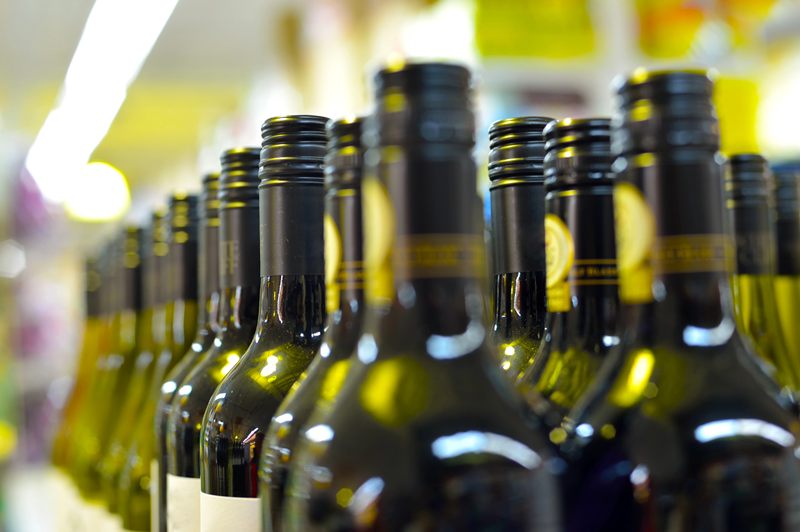
Canadian wine producers say they have little interest in seeing American alcohol return to store shelves anytime soon, arguing that the ban has sharply boosted domestic sales and given local wineries a rare opening in a market long dominated by U.S. brands.
At Taste Canada in London’s Trafalgar Square on Tuesday, producers and trade officials described the restrictions as a form of consumer pushback that has reshaped buying habits across the country. Janet Dorozynski, sector lead for alcohol beverages at Canada’s trade commissioner service, said the ban had been “quite tremendous” for Canadian producers and called it “an ongoing small act of consumer resistance.”
The restrictions began on Feb. 4, 2025, after tensions between Washington and Ottawa over tariffs and other trade disputes. Since then, several Canadian provinces have kept U.S.-made alcohol off their shelves, and producers say the effect has been immediate. Dorozynski said sales in Ontario’s home market have risen by about 60% since the ban began, while Quebec has seen an increase of about 40%.
The shift has also changed what Canadian consumers are drinking. Dorozynski said many buyers who once regularly purchased California wine are now trying bottles from Ontario, Quebec and British Columbia. In many cases, she said, they are finding comparable quality at a better price and are not eager to switch back.
The impact on U.S. exporters has been severe. The Wine Institute in California has said the ban has cut US$357 million from U.S. exports in just over a year, describing it as the most severe single-year export disruption in the history of the American wine trade.
For Canadian wineries, the timing could hardly have been better. Norman Hardie, owner of Norman Hardie Winery in Prince Edward County, Ontario, said the quality of Canadian wine has improved enough that consumers may not return to American labels even if the ban is eventually lifted. He said his winery had built inventory over time so it could respond quickly when demand rose.
Other producers said they have seen a surge in direct sales as customers look for domestic alternatives. Carolyn Hurst, president and co-founder of Westcott Vineyards in Ontario, said her orders increased six-fold after higher U.S. tariffs were announced. She said customers who discovered her wines during the shift have continued to buy them.
The ban has also encouraged some wineries to expand their reach inside Canada rather than abroad. Andrea Peters, senior public relations manager for Wines of Ontario, said many producers are focusing more heavily on domestic sales because demand has grown so quickly.
That trend could deepen if Canada moves ahead with planned changes to interprovincial alcohol sales under the Free Trade and Labour Mobility in Canada Act. The federal government missed its self-imposed May 1 deadline, but provinces have already signed memorandums of understanding allowing consumers to order wine, spirits and beer directly from producers in other provinces for personal use.
Ontario, which produces about 62% of Canada’s wine output, has agreed to reciprocal sales with eight other provinces. Industry groups say removing internal trade barriers could add between CN$92 billion and CN$200 billion to Canada’s economy.
Ontario Premier Doug Ford has said American alcohol will not return to shelves until the United States removes its tariffs. Canadian producers at Taste Canada said they expect little change before then, and some suggested the restrictions could last until there is a broader shift in U.S. policy or leadership.
For now, many wineries say they are benefiting from a market reset that has pushed consumers toward domestic labels and given Canadian producers more shelf space, more cellar-door traffic and more repeat customers than they had before the dispute began.

Founded in 2007, Vinetur® is a registered trademark of VGSC S.L. with a long history in the wine industry.
VGSC, S.L. with VAT number B70255591 is a spanish company legally registered in the Commercial Register of the city of Santiago de Compostela, with registration number: Bulletin 181, Reference 356049 in Volume 13, Page 107, Section 6, Sheet 45028, Entry 2.
Email: [email protected]
Headquarters and offices located in Vilagarcia de Arousa, Spain.