


GLP-1 Drugs Are Squeezing Alcohol Sales
New research and industry data suggest the weight-loss medicines are reducing drinking across beer, wine and spirits markets worldwide
2026-05-26
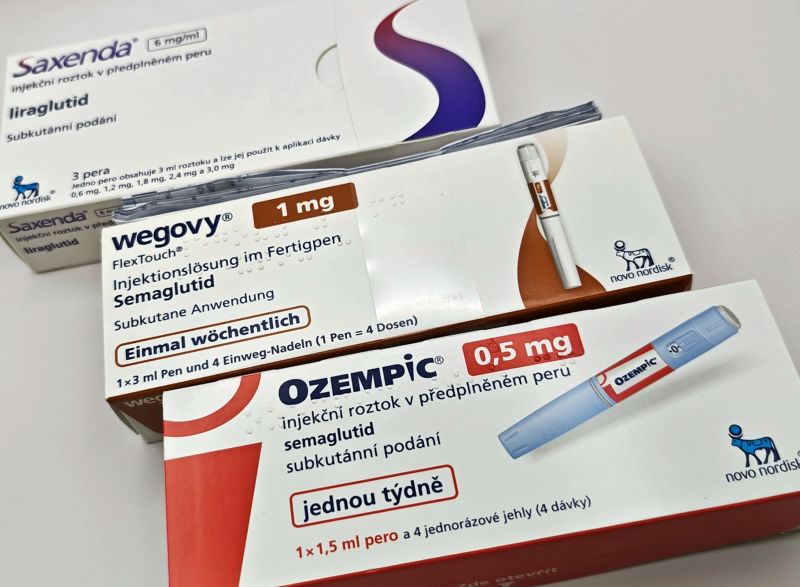
The rapid spread of GLP-1 weight-loss drugs is beginning to reshape the alcohol business in ways that go beyond a short-term sales slump, according to industry data and recent clinical research.
Preliminary figures from IWSR, the beverage market research firm, show that total beverage alcohol volume fell 2% globally in 2025 across 22 major markets that account for about 75% of worldwide consumption. The decline was sharper in some large markets, including a 5% drop in the United States and a 2% decline in China. Analysts say the pressure is no longer explained only by inflation, weaker consumer spending or changing tastes among younger drinkers. Instead, they point to the growing use of GLP-1 receptor agonists, a class of drugs that includes semaglutide and tirzepatide, which are used for weight loss and diabetes treatment.
The drugs are changing drinking behavior through both brain and body effects. They reduce appetite and slow gastric emptying, which can make alcohol less appealing and physically harder to consume in larger amounts. They also appear to dampen reward signals linked to cravings. A study published this month in The Lancet found that patients treated with semaglutide and cognitive behavioral therapy had fewer heavy drinking days, lower monthly alcohol intake and reduced cravings than those given placebo. A separate meta-analysis of randomized trials and observational studies found lower alcohol-related events among GLP-1 users, including among patients with alcohol use disorder.
That shift matters because the alcohol industry has long relied on volume growth to offset weak pricing power. In the past, producers could often protect revenue by raising prices or moving consumers into higher-end products. GLP-1 drugs complicate that strategy because they can reduce both how much people drink and how often they drink at all.
The effect is not uniform across categories. Wine appears especially exposed. U.S. wine consumption has fallen to a 60-year low after dropping nearly 20% from its 2021 peak, according to industry estimates cited by market analysts. Wine buyers tend to overlap with the higher-income, health-conscious consumers most likely to use GLP-1 drugs for weight management. Beer faces a different challenge: its larger serving sizes and carbonation can make it less comfortable for some users on these medications. Spirits have held up better in past downturns, but they are now facing pressure from a smaller group of heavy users who are often among the first to seek medical treatment for obesity or metabolic disease.
Companies are already adjusting. Heineken said in its first-quarter update this year that growth in its low- and no-alcohol portfolio helped offset weakness elsewhere. Pernod Ricard reported weaker sales in the United States and China and has been cutting costs and selling non-core assets. Diageo has also been pruning brands as investors question the long-term outlook for premium spirits.
The hospitality sector is feeling the change as well. Bars and restaurants depend heavily on beverage sales, which usually carry far higher margins than food. Data compiled in Britain by Drinkaware and KAM found that some GLP-1 users say they drink less when they go out and visit restaurants less often overall. Operators are responding with smaller-format cocktails, lower-alcohol drinks and more nonalcoholic options aimed at customers who still want the social ritual without the same volume of alcohol.
The public finance side is also under pressure because alcohol taxes in many places are tied to volume rather than price. If people buy less beer, wine or spirits, governments collect less excise revenue even if shelf prices rise. That has prompted some jurisdictions to rethink tax structures. Chicago moved this year to an ad valorem tax on off-premise alcohol sales, shifting away from a per-gallon model that is more vulnerable to falling volumes.
At the same time, spending on GLP-1 drugs is rising quickly in public programs such as Medicaid, creating another budget strain for states already dealing with lower alcohol-tax receipts. Coverage rules are tightening in several states as officials try to control costs.
The biggest near-term change may be demographic. The newest wave of oral GLP-1 treatments is making these drugs easier to use and broadening their reach beyond patients with severe obesity or diabetes. Novo Nordisk’s oral Wegovy was launched in the United States earlier this year and received a positive recommendation from European regulators last week. Industry analysts say that could accelerate adoption among younger, higher-income consumers who are also important buyers of premium wine, spirits and dining experiences.
For alcohol makers, that means the challenge is no longer just cyclical weakness or shifting social habits. It is a physiological change in consumer behavior that may prove harder to reverse than any marketing campaign or price promotion.
