


U.S. wine and spirits sales fall as shoppers trade down
Cheaper bottles and weaker premium categories drive a broad slowdown across the alcohol market in the first quarter of 2026
2026-05-27
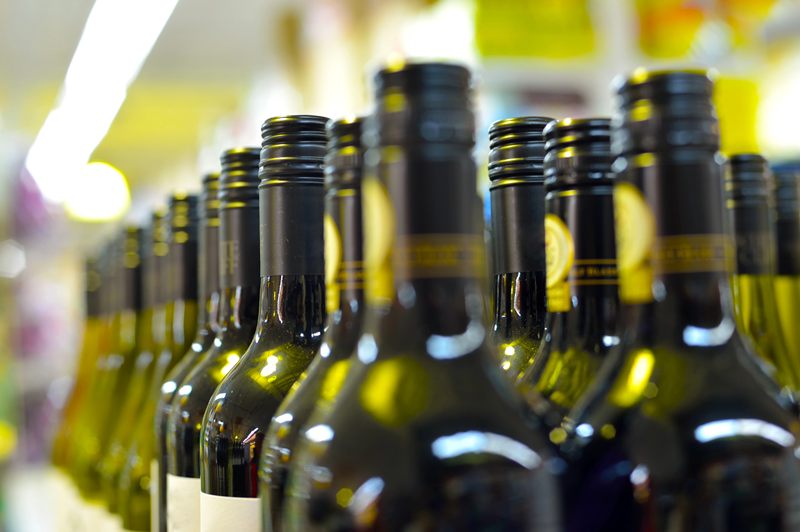
U.S. wine and spirits sales fell in the first quarter of 2026 as inflation, higher fuel costs and cautious consumer spending pushed shoppers toward cheaper products, according to new data from the Wine & Spirits Wholesalers of America.
The trade group said core spirits volumes declined 4.4% on a 12-month basis during the quarter, while revenue fell 5.7%. Wine performed worse, with volume down 8.3% and revenue off 5.3%, underscoring a broad slowdown across the U.S. alcohol market as consumers continued to trade down.
The report said the gap between falling spirits volume and revenue was the widest since SipSource began tracking the market, a sign that lower-priced brands and products are taking a larger share of sales. Premium spirits categories weakened further during the period. Bottles priced from $50 to $99.99 fell 8.8%, while products above $100 dropped 9.3%.
Tequila and agave spirits, which had been among the strongest categories in recent years, also lost momentum. Volumes fell 3% and revenue declined 6.6%. A year earlier, luxury tequila revenue had grown 4.2%, showing how quickly demand has shifted.
Wine followed a similar pattern. Revenue improved slightly from late 2025 levels, but volume remained weak. The sub-$5 category, which makes up more than 22% of total wine volume, fell 19.1% during the quarter. Higher-end wine segments held up better but still did not return to growth, with discounting remaining common across premium tiers.
March showed some signs of stabilization, especially in wine revenue and on-premise sales, though WSWA said one extra shipping day compared with the first quarter of 2025 may have helped those results. On-premise wine and spirits volume fell 3%, while off-premise volume declined 7.4%. Distribution activity also remained under pressure, down 3.2%, though that was an improvement from a 5% decline in 2025. Total retail accounts slipped 0.5%.
Ready-to-drink cocktails remained the strongest part of the market. Spirits-based RTDs rose 30% in dollar sales and now account for 28% of total spirits volume in off-premise retail channels, according to WSWA. Wine-based RTDs increased nearly 14%, while malt-based RTDs continued to decline.
Industry executives said the latest figures reflect tighter portfolio management, SKU rationalization and more value-focused consumer behavior as companies adjust to slower demand across several categories and price points.
