Britons trust human recommendations over AI in choosing alcoholic drinks
A new survey found digital channels shape discovery, but younger consumers remain the most open to transparent AI marketing
2026-06-16
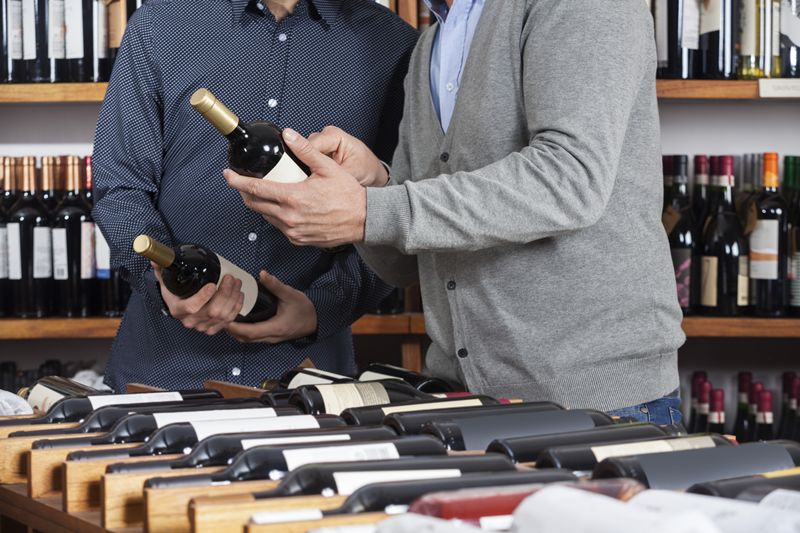
Digital channels are playing a larger role in how people in Britain discover alcoholic drinks, but consumers still place more trust in human recommendations than in artificial intelligence, according to new research commissioned by the drinks marketing firm Chelsea Co.
The study, carried out by Leadership Factor, surveyed more than 1,000 adults in the United Kingdom who regularly drink alcohol with friends and family. It found a clear split by age in attitudes toward AI, digital marketing and the ways people find new beer, wine and spirits brands.
Among consumers over 55, 75% said they dislike the use of AI technologies for any drinks marketing activity. Even among younger adults, where acceptance was higher, many still favored a more personal approach. The research found that 60% of people ages 18 to 34 instinctively prefer drinks campaigns and brands that feel as if they have a human touch.
More than 80% of respondents said they believe they can recognize AI-generated content. At the same time, younger consumers were far more open to its use if companies are clear about it. Among 18-to-34-year-olds, 75% said they are comfortable with AI as long as brands are transparent, compared with just 7% of consumers over 65.
Chelsea Anthon, founder and director of Chelsea Co., said the findings show that digital visibility now matters as much as shelf presence for drinks brands trying to stand out in a crowded market. She said companies are increasingly using online platforms not only to advertise but also to create conversations, shape experiences and move consumers from discovery to purchase both online and in stores.
Still, the survey suggests that traditional forms of influence remain strong. Some 43% of consumers said they discover alcoholic drinks brands in stores, while 42% said friends and family play that role. Only 10% said they discover new drinks online, a figure Chelsea Co. said points to the growing importance of search optimization and generative AI tools in helping brands appear where consumers are looking.
Across all age groups, brand story and design were cited by 27% of respondents as a stronger influence than price, which was named by 24%. Digital communications were identified as the most influential marketing channel by 46% of consumers, including platforms such as Instagram, TikTok and YouTube. By comparison, print advertising drew attention from 5% of respondents, while television remained relevant for 18%, especially among older consumers.
The strongest digital engagement came from younger drinkers. The study found that 67% of adults ages 18 to 34 use social media or other online platforms to discover new alcoholic drinks brands. That finding may push producers, brewers and distillers to rethink where they place marketing budgets and how they present products to younger audiences who spend more time on digital channels.
The research also pointed to issues beyond technology. Among younger adults, 45% said sustainability matters when choosing or engaging with a drinks brand, and 54% said genuinely engaging content is important. For beverage companies, that suggests environmental claims and ethical commitments may need to be communicated clearly and backed up with credible information if they are to influence buying decisions.
Regional differences also emerged in the survey. Manchester stood out as the leading “party city” in the research, with 68% of consumers saying they discover alcoholic drink preferences in bars and restaurants. In Cardiff, Newcastle, Nottingham and Southampton, more than half of respondents said trying products in stores was their preferred way to discover new alcoholic drink offerings.
Anthon said the results underline a basic reality for the sector: drinking remains largely social, so face-to-face experiences and personal recommendations still carry weight even as digital influence grows. For wine, beer and spirits companies, that could mean pairing online storytelling with tastings, retail sampling and other real-world encounters rather than relying too heavily on automated content alone.
The findings are part of Chelsea Co.’s five-year Insights & Imagination research program, which examines how drinks brands can combine market intelligence with creative strategy to support growth in an increasingly competitive environment.
