


U.S. Wine Spending Hits Record as Drinking Falls
Higher prices lifted market value 3% even as total volume declined and wineries faced weaker demand.
2026-05-18
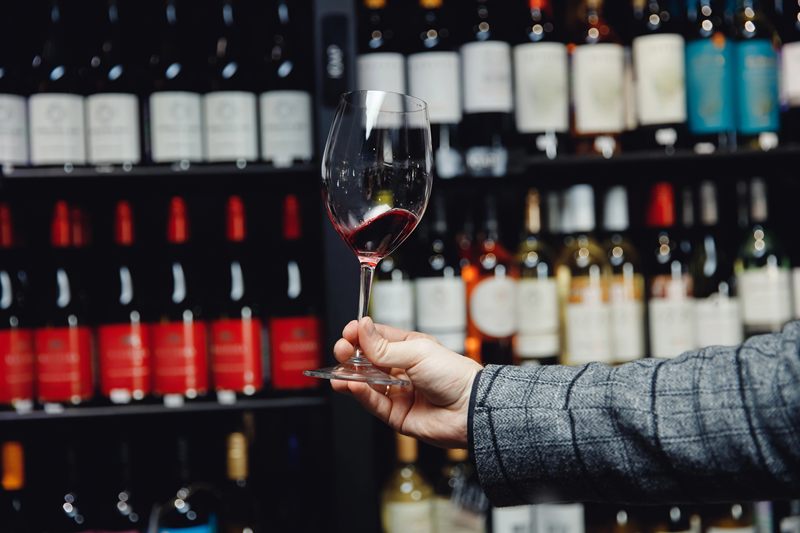
Wine spending in the United States reached a record in 2025 even as Americans kept drinking less of it, according to the 2026 BMO Wine Market Report, a sign that higher prices are propping up the category while demand continues to weaken.
The report said the overall value of the U.S. wine market rose 3% last year, but total volume fell again. That gap reflects a market in which consumers are buying fewer bottles and drinking less often, while wineries are charging more to offset softer sales. The result, industry executives said, is a business that looks healthier on paper than it does in cellars and distribution channels.
Adam Beak, managing director and head of wine and spirits at BMO, said the industry was not simply pausing but undergoing a reset. He said higher prices were keeping market value elevated while masking a structural decline in consumption. Fewer people are drinking wine, he said, and those who do are doing so less frequently. At the same time, supply is shrinking, distribution is changing and direct-to-consumer sales are no longer growing as they once did.
The report pointed to California, which remains the center of U.S. wine production, as a major source of the supply shift. Over the past decade, wine entering the U.S. market from California has fallen by nearly 25%, according to the report. That decline reflects fewer vineyard plantings, a smaller harvest and a deliberate move away from producing surplus wine after years of softer demand.
Producers are also dealing with excess inventory that continues to weigh on cash flow. The report said wineries face pressure from both sides: weaker consumer demand and rising costs tied to production, shipping and distribution. Many businesses are trying to reduce stock rather than build it, which is changing how much wine reaches retailers and restaurants.
Direct-to-consumer shipments were one of the weakest parts of the market in 2025. The report said both volume and value fell sharply as shipping costs rose and consumers cut discretionary spending. That channel had been one of the industry’s growth engines for years, especially for smaller wineries that relied on tasting rooms and online sales to reach customers without going through wholesalers.
Distribution is also shifting. The report said many wineries have lost key distributors and are taking on more direct selling responsibilities themselves. That change can give producers more control over pricing and customer relationships, but it also adds costs and complexity at a time when margins are already under strain.
Not every category moved in the same direction. Flavored wines gained ground in 2025, while sparkling wine sales declined. The split suggests that consumers are becoming more selective and that preferences are fragmenting across styles and price points rather than moving in one clear direction.
Tony Sciarrino, head of BMO Commercial Bank in the United States, said the industry was facing real adjustment as higher prices supported value but softer demand, rising costs and changing distribution dynamics continued to pressure producers. He said wineries would need to adapt thoughtfully if they wanted to remain competitive.
The report said most wineries expect the market to stabilize or recover within three years, but it also suggested that any recovery will likely come in a smaller industry with tighter supply, more competition and greater emphasis on flexible pricing, packaging changes and new sales channels.
